UX Use Case | Product Shift
Since 2021
UX Use Case | Product Shift
Since 2021

invoices per month that must be paid accurately and on time
Microsoft, Google
Oracle, NetSuite, SAP, QuickBooks
Bill.com, Tipalti
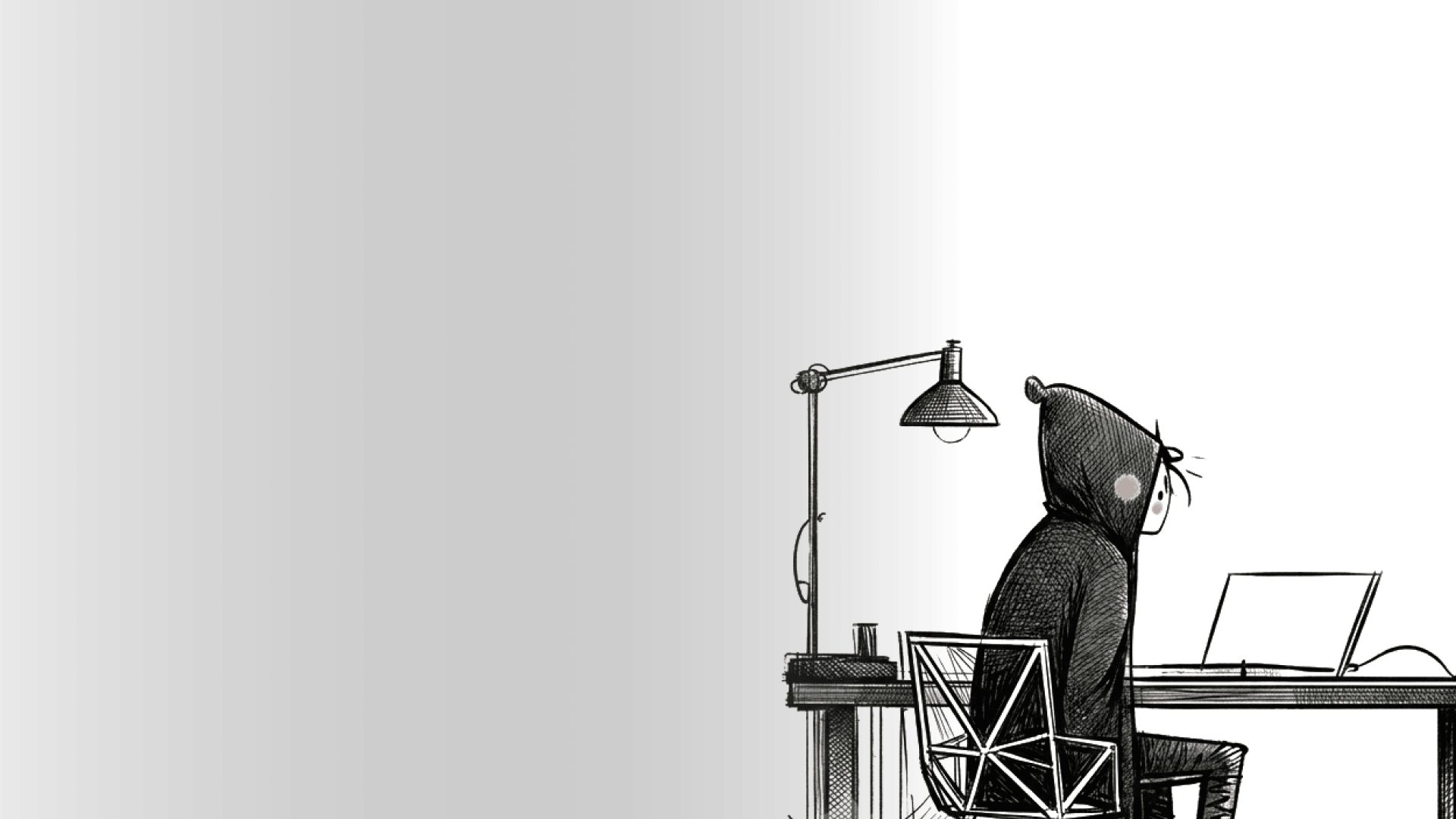
Business Email Compromise
Supply Chain Compromise
Account take over
Executive Impersonation
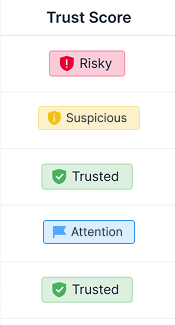
From that foundation, the first flow took shape - giving the CISO a clear picture of payment risk with a few simple actions to stop fraud before it happens.
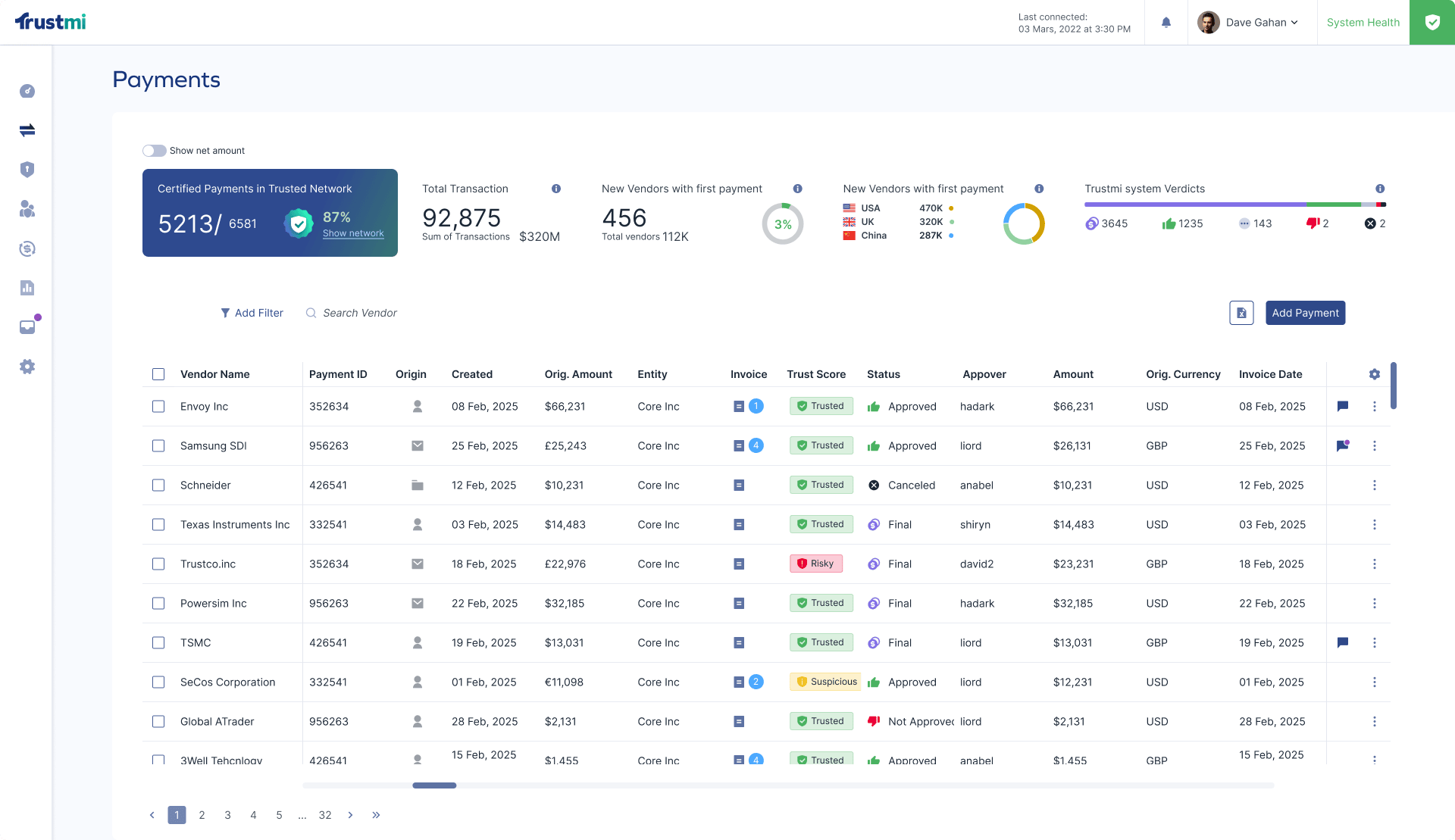
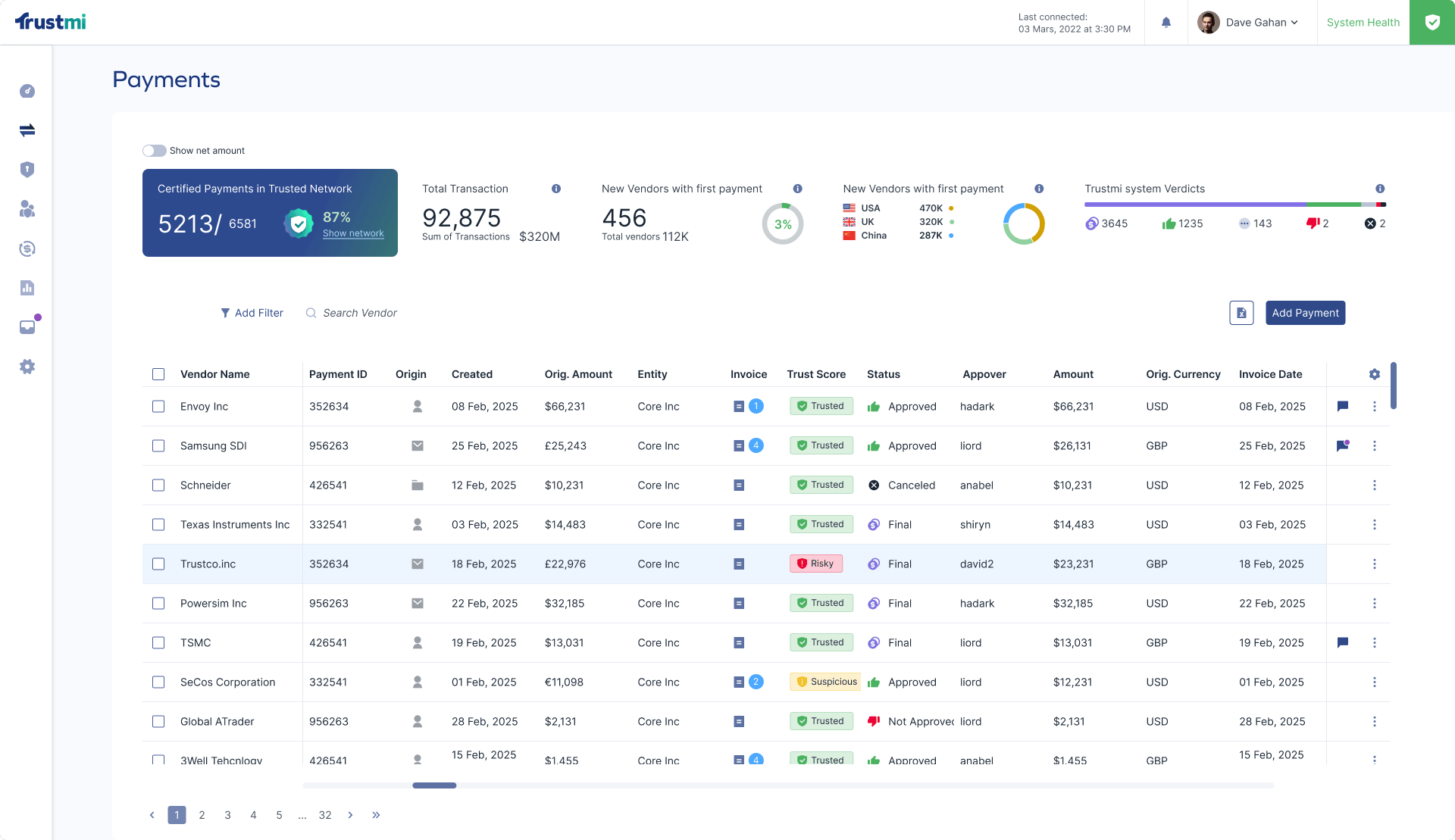
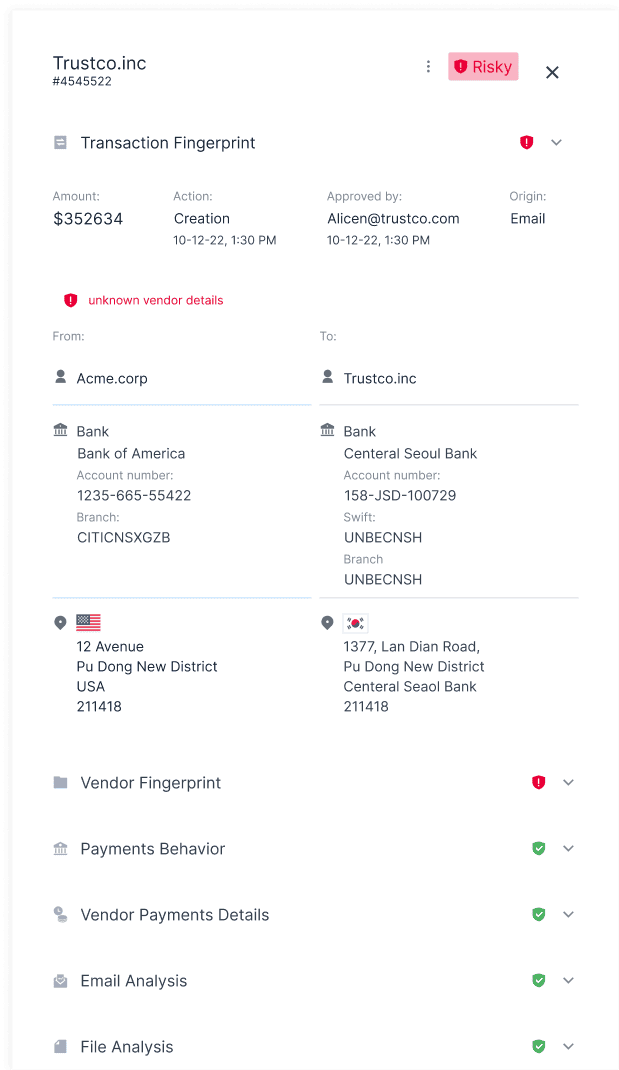
At this stage, the product gained traction and expanded into the finance domain
A whole new set of personas I had never worked with - unknown tasks, unclear flows, uncertain usage intensity, and no clear picture of who was even relevant - created two core challenges.
From one user domain to
Multiple personas across domains
Building a flexible and consistent
user experience for different users
within the product
I realized that system stability couldn't rely only on personas or screens, so I needed to find a stable anchor that could remain consistent even as roles and workflows changed.
I understood there were clear limitations: no stable personas or final role definitions, limited access to users, and quantitative signals that were often incomplete or unreliable.
Since user access was limited, I relied on direct access to the system data to understand the existing objects, relationships, integrations, and product structure through an Object-Centered Design (OCD) approach.
What integration we are connected?
What data is ingested?
Which entities are central to the product?
What state and status they hold?
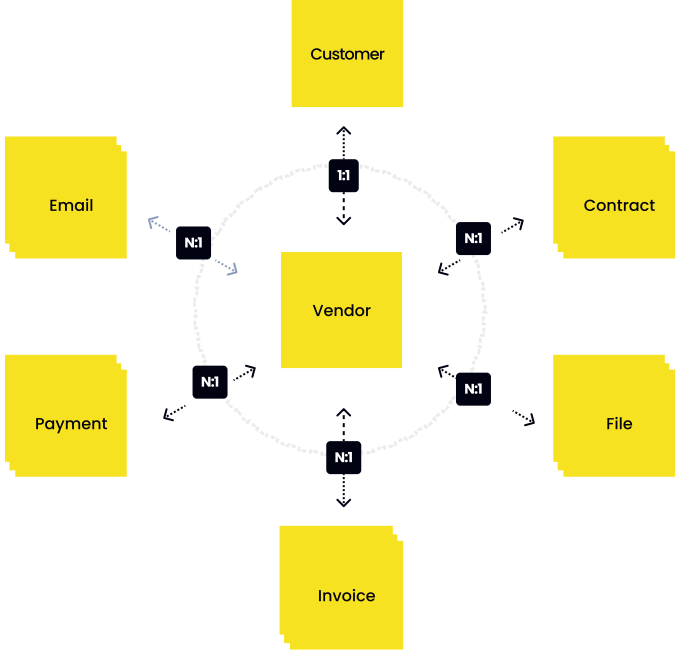
I defined how each core object connects to another
so the system can scale without breaking existing flows.
This stage helped me define the structural backbone of the product, helping me plan user flows that could grow across new personas and domains without starting over.
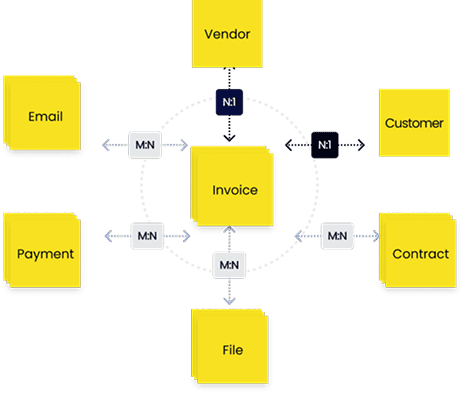
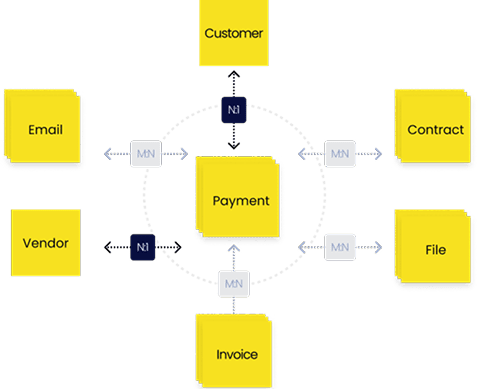
Once object relationships were clear, I could start exploring potential flows.
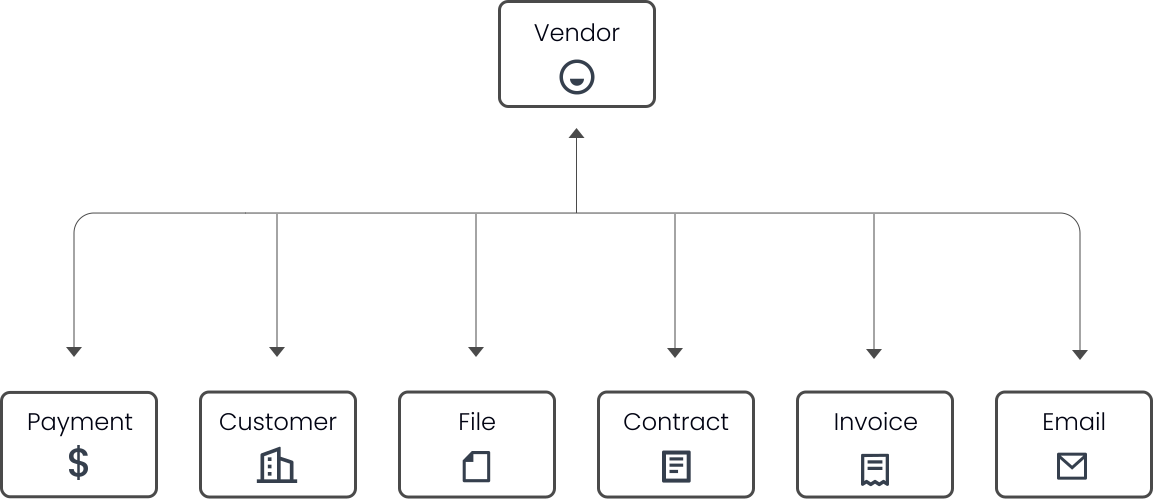
In order to understand who does what, and when, around each object in the context of our product mission, I used the common Job To Be Done approach, but shifted the focus toward the object itself. This helped me understand how different personas interacted around the same entity and enabled the UX to scale across new domains without breaking existing flows.
The previous steps clarified the assumptions about which users participate in each flow. This structure maps personas to the core system objects and the processes that occur around them.
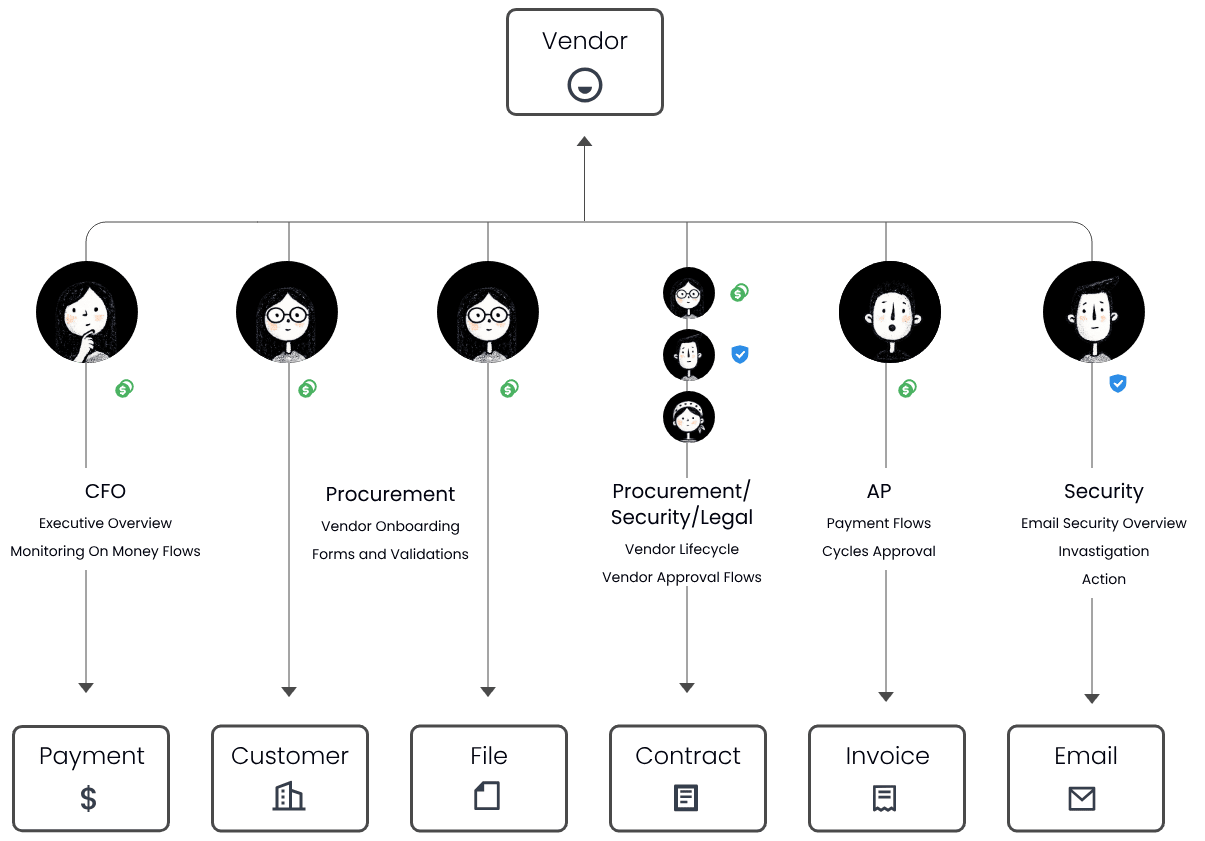
The previous steps clarified the assumptions about which users participate in each flow. This structure maps personas to the core system objects and the processes that occur around them.
Assumptions were set, the focus shifted to validating and refining them with real roles and scenarios.
This was the phase where I could finally conduct classic, focused user research - through interviews with real users.
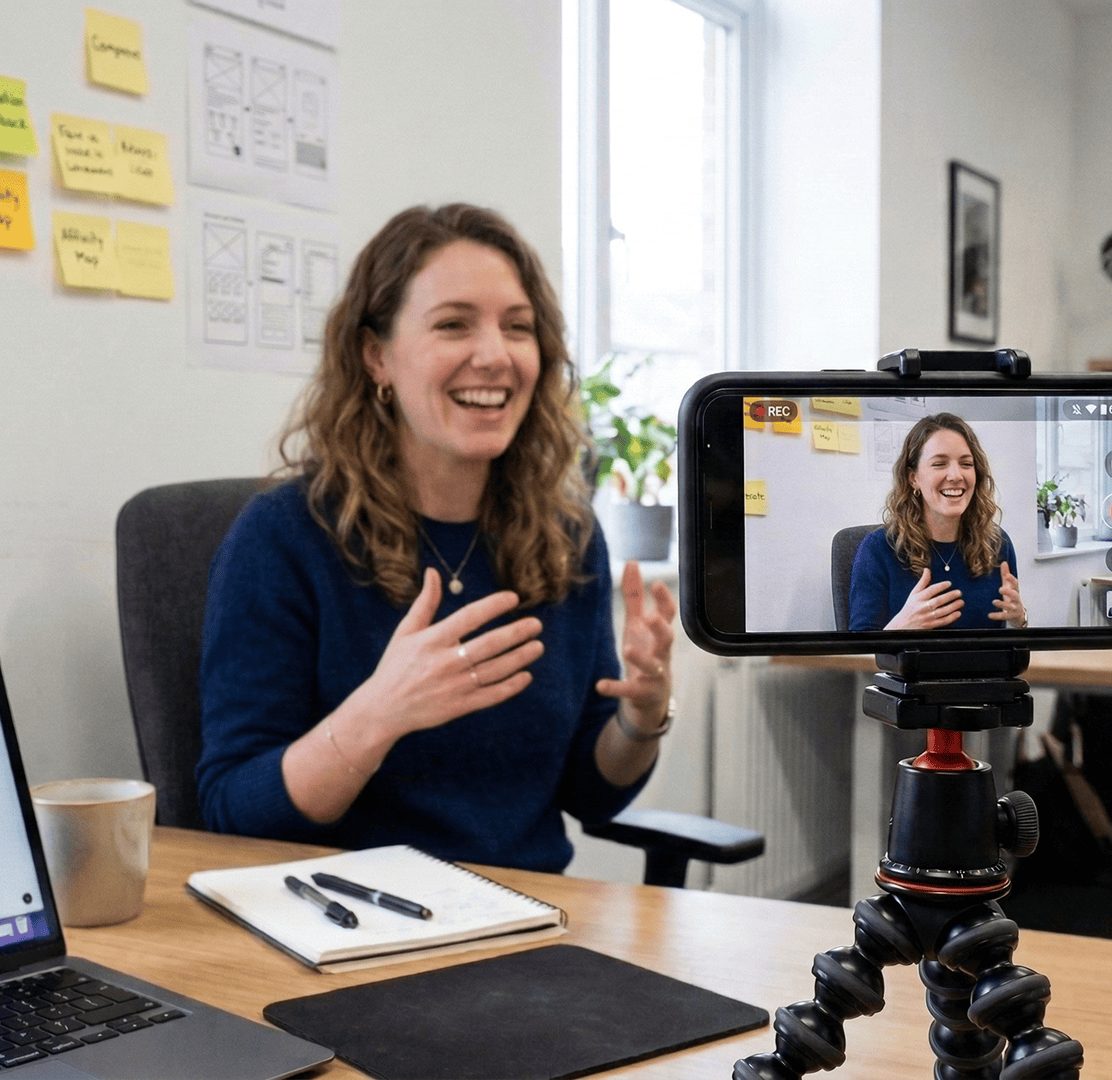
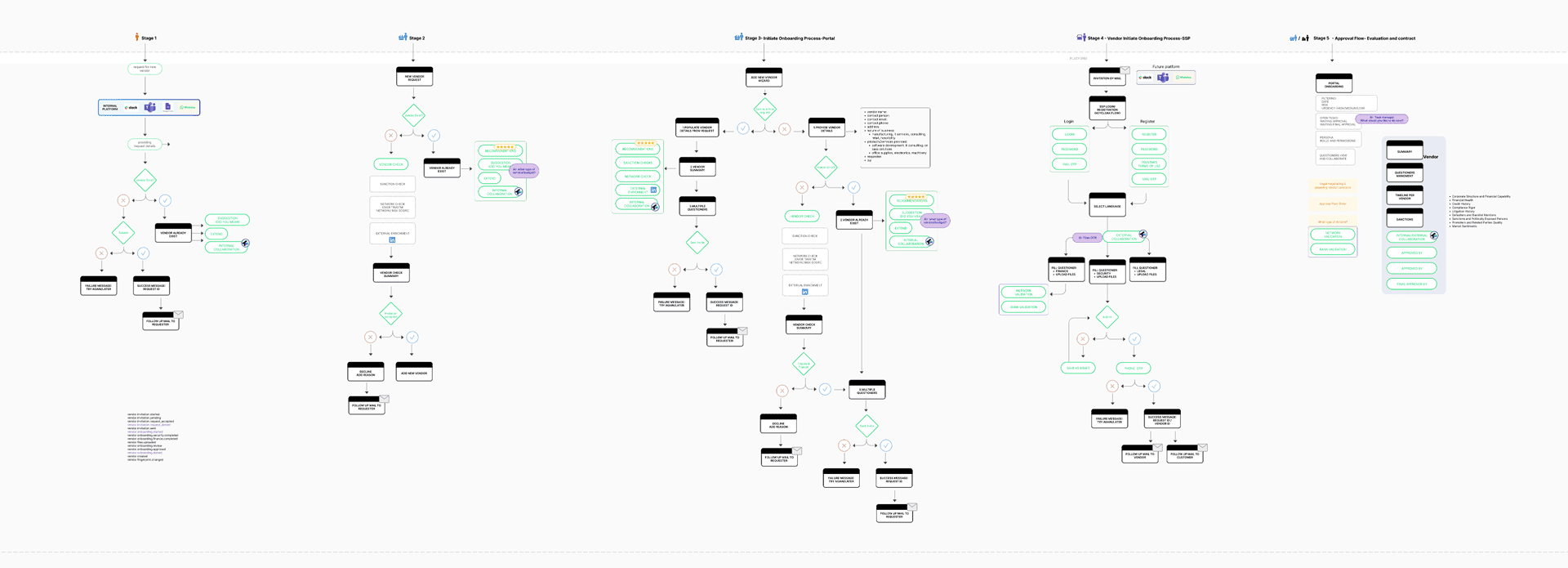
I've created a Cross-Functional Process Map and Flows - for a broad system view on one hand, and a detailed breakdown of each flow on the other.
How Each Module Serves Its Personas
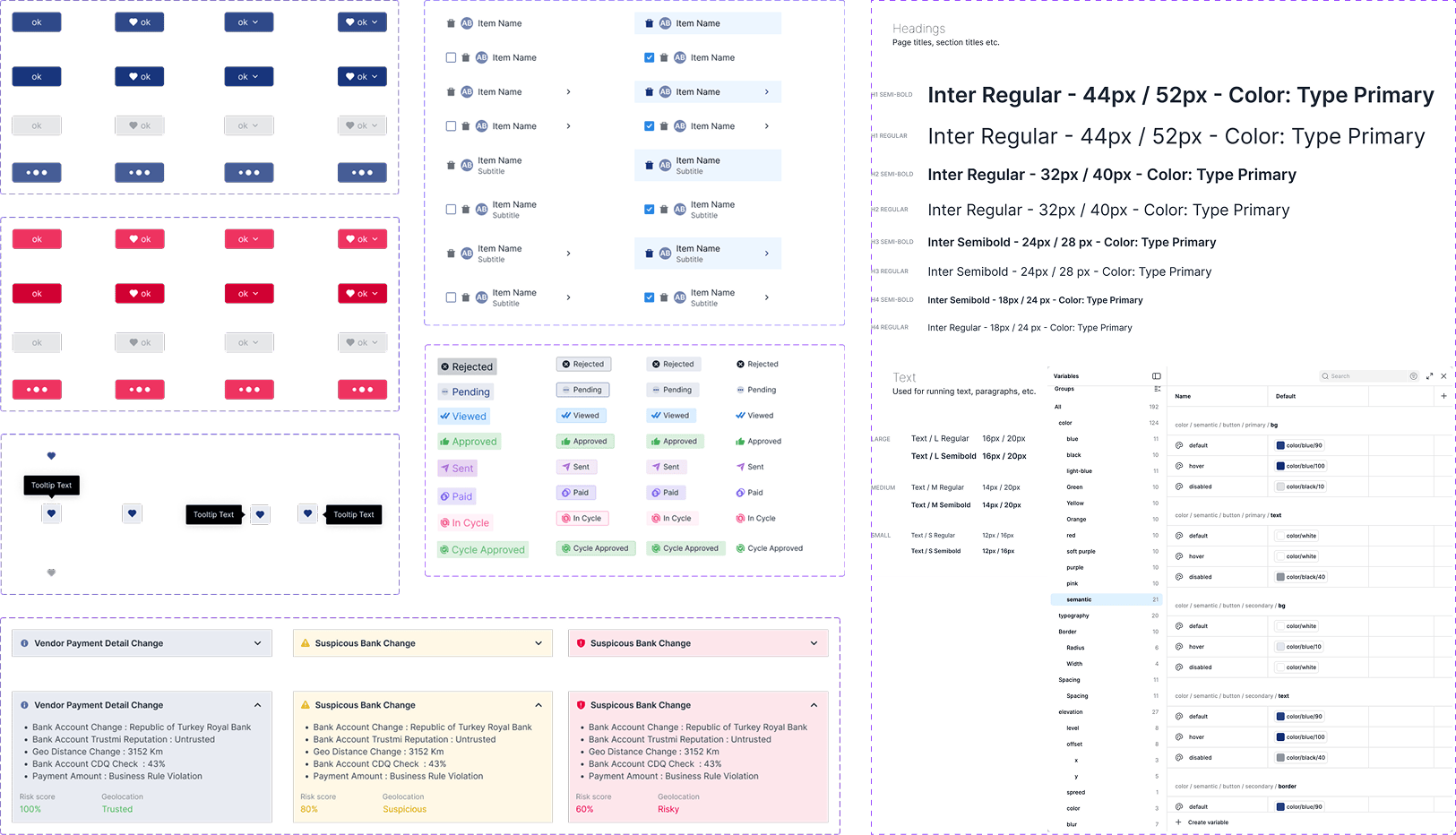
Refining the product experience through look & feel and design system foundations
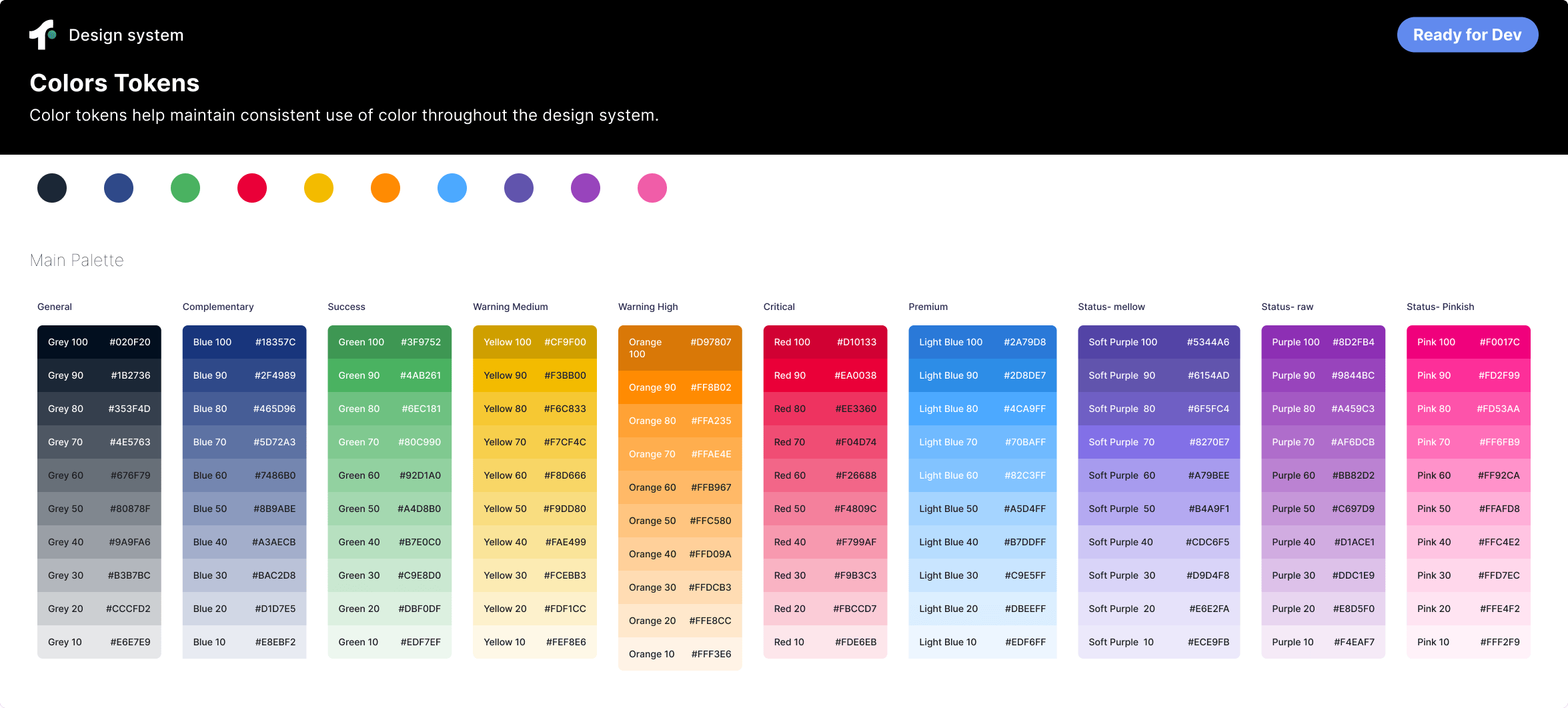
Claude helped me build the design system end to end by creating a seamless two-way process between design and development, where design decisions directly shaped the code, and implementation continuously informed and refined the design.
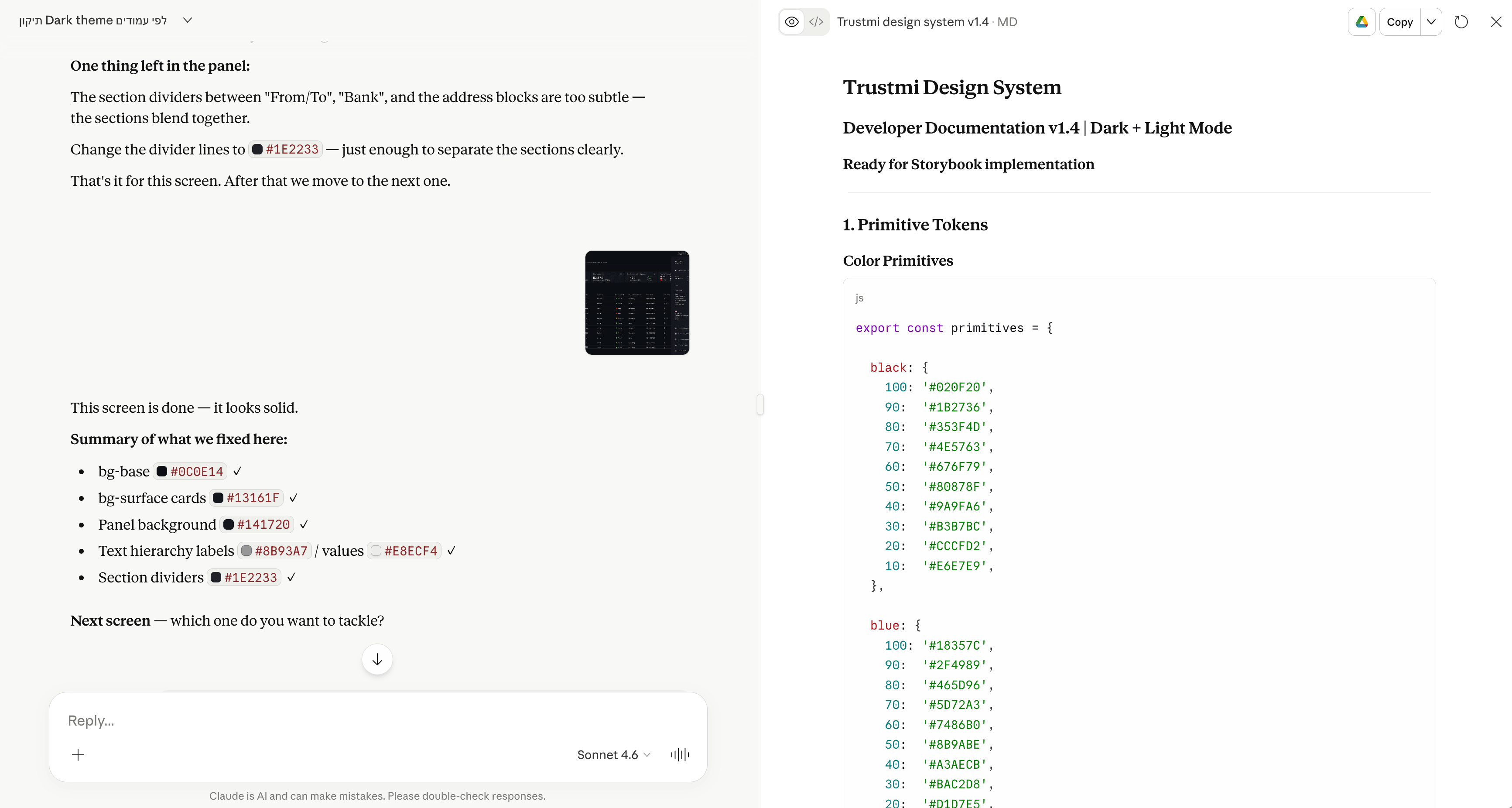
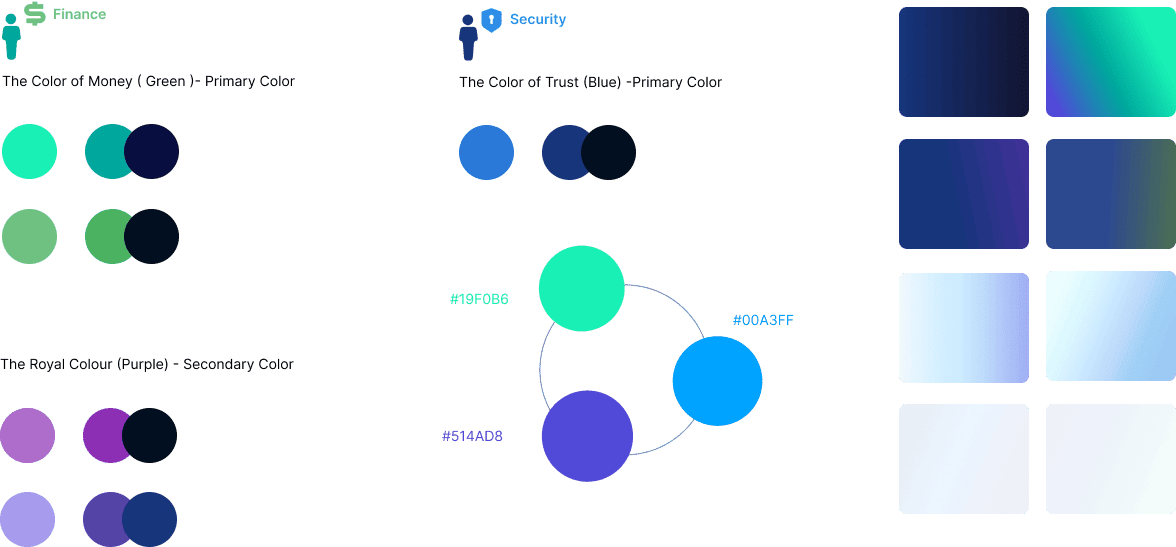
Colors - evoke emotions
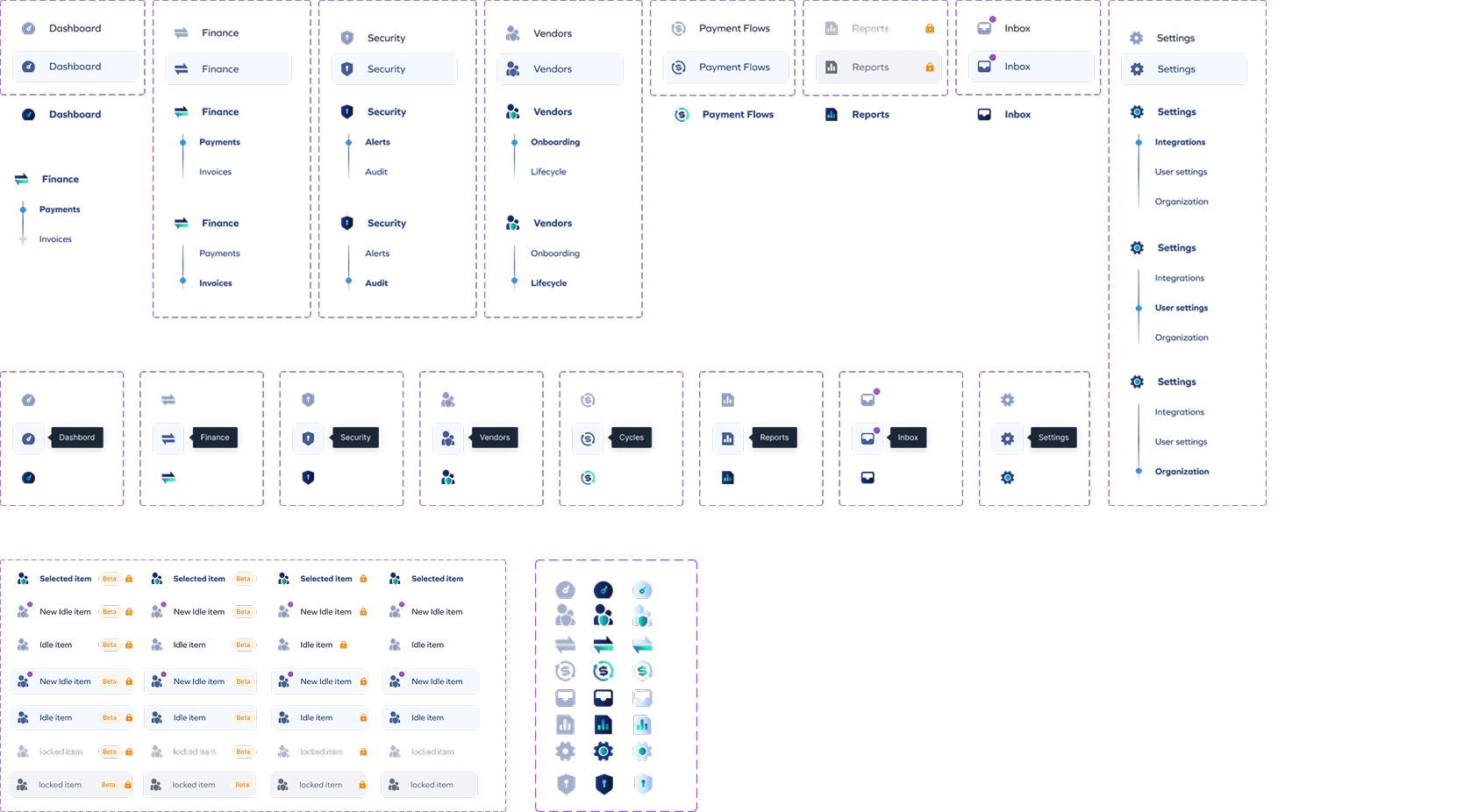
Components - provide structure Fonts - set the tone